
Running a small business is relentless. Between customers, bills, employees, supplies, equipment, and planning your next move, it’s easy to feel like you’re always one step behind. At some point, most business owners reach a moment where extra capital isn’t optional — it’s what keeps the business moving forward.
Business funding can be a powerful tool, but only if you understand exactly what you’re applying for. Are you covering a short-term cash flow gap? Investing in equipment, inventory, or a new location? Fueling marketing or hiring to scale up? The reason matters — because the right funding structure depends entirely on the problem you’re solving.
Too many business owners apply first and ask questions later. That approach can cost you — in fees, in terms that don’t fit your business, or in funding that solves the wrong problem. Before you apply, slow down. Get clear on your goals, understand your real options, and take an honest look at your business finances.
That’s where Clear Tides Capital comes in. We help business owners cut through the noise, understand what they’re actually applying for, and walk into funding decisions prepared — not guessing.
Know Why You Need the Money
Before you apply for business funding, ask yourself one question: why do you actually need it? It sounds simple — but it’s one of the most important questions you’ll answer in the entire process.
Some business owners need funding to keep the lights on — covering payroll, rent, supplies, or inventory during a tight stretch. Others are funding growth — new equipment, a second location, a new service line, or the next hire that lets the business scale. These aren’t the same problem, and they don’t call for the same solution.
The reason behind your funding need shapes everything else: how much you should borrow, how fast you need it, and what terms actually make sense for your business. Get this part wrong, and even “approved” funding can end up costing you more than it helps.

It’s just as important to avoid borrowing more than you need. More money can feel like a safety net at first, but larger payments come with larger stress — especially if cash flow tightens later. A clear, honest plan keeps you focused on what your business actually needs, not just what you’re approved for.
Before you apply, take a moment to answer a few key questions:
- How much do I actually need?
- What will I use it for?
- How will this move my business forward?
- Can my business comfortably handle the payment?
When you can answer these clearly, you’re no longer guessing — you’re making a decision from a position of strength. And that’s exactly where you want to be before you sign on the dotted line.
Understand Your Funding Options
Not all business funding works the same way. Each option serves a different purpose, and the right choice depends on your business, income, credit profile, and what you’re trying to accomplish.
A business loan gives you a lump sum upfront, repaid over a set period. It’s typically the right fit for larger, defined needs — equipment purchases, expansion, or major one-time investments.
A business line of credit offers more flexibility. Instead of a lump sum, you get access to funds you can draw on as needed — ideal for slow seasons, surprise expenses, or short-term cash flow gaps.
0% business credit can be a smart move for certain purchases or startup costs — but only if you fully understand the terms. Know exactly when the 0% period ends, what your payment will be afterward, and what happens if the balance isn’t paid off on time. What looks free upfront can get expensive fast if the fine print catches you off guard.
Beyond these, there are working capital options, SBA loans, equipment financing, and other specialized programs — each with its own timeline, paperwork, and cost structure. Some move fast. Some take longer but offer better terms. None of them are one-size-fits-all.
That’s exactly why comparing your options matters. The fastest offer isn’t always the best offer. The goal isn’t just to get funded — it’s to get funded in a way that supports your business, not one that adds pressure down the road.
Get Ready Before You Apply
Once you know why you need funding and which option might be a good fit, the next step is preparation — and this is where many business owners either set themselves up for approval or run into unnecessary roadblocks.
Lenders typically want a clear picture of your business: income, bank statements, tax records, credit history, time in business, and current debts. Depending on the funding type, they may also want to see a business plan and a clear explanation of how you intend to use the money.
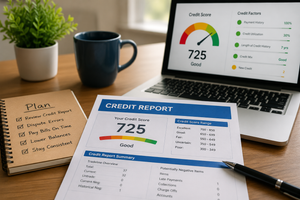
Your credit plays a role too — both personal and business. Depending on the lender and the funding type, one or both may factor into your approval and your terms. Errors on your credit report, high balances, or missed payments can limit your options or cost you more in the long run. Knowing where you stand before you apply puts you ahead, not behind.
Take time to get organized before you submit anything. Gather your recent bank statements, tax returns, profit and loss details, business licenses, and proof of income. Walking in prepared doesn’t just speed up the process — it strengthens your position with the lender.
Just as important: look at your budget. Ask yourself honestly whether the payment fits your cash flow. The goal of funding is to help your business move forward — not to create new pressure that makes it harder to keep up with the expenses you already have.
Business funding can be a powerful tool when it matches your needs and your plan — but you don’t have to figure it out alone. If you’re a small business owner considering funding, contact us today or schedule a free consultation to review your options and move forward with clarity and confidence.